Losing your house keys can happen to anyone, and it often occurs when you least expect it. It might happen after a long day at work, while running errands across the city, or even during a quick stop at a grocery store. In a busy city like Denver, where people move between neighborhoods, workplaces, and public spaces frequently, it is easy for keys to get misplaced without noticing immediately.
For homeowners and renters alike, losing keys can create more than just inconvenience. It may also create security concerns, especially if the keys were lost somewhere public where someone could potentially find them. Even if the chances seem small, the thought that someone might gain access to your home can cause understandable worry.
Many people search online for help with situations like lost house keys in Denver or a house lockout in Denver, looking for the quickest way to regain access to their home while also protecting their property. Acting calmly and taking the right steps can help resolve the situation efficiently without unnecessary stress.
The good news is that there are several practical actions you can take if your keys go missing. In this guide, we will walk through seven important steps that Denver homeowners can follow to regain access, secure their home, and prevent similar issues in the future.
Table of Contents:
- What Should You Do If You Lose Your House Keys in Denver?
- Step 1: Stay Calm and Retrace Your Steps
- Step 2: Secure Temporary Access to Your Home
- Step 3: Avoid DIY Lock Entry Methods
- Step 4: Contact a House Lockout Locksmith
- Why Rekeying Is Recommended After Losing Keys in Denver
- Step 5: Consider Lock Replacement if Keys Are Stolen
- Step 6: Upgrade to Smart Locks
- Step 7: Create a Spare Key Plan
- Preventing Future Lockouts in Denver Homes
- FAQ – Lost Keys & House Lockout Denver
- Conclusion
What Should You Do If You Lose Your House Keys in Denver?
If you realize your house keys are missing, the first thing to remember is that panicking will not help the situation. Taking a moment to think clearly allows you to evaluate your options and decide on the safest course of action.
In most situations, homeowners should focus on a few key priorities: confirming whether the keys are actually lost, ensuring they can still access their home, and protecting the property if the keys cannot be recovered. A practical approach usually includes:
- Retracing your steps to check if the keys were misplaced
- Contacting someone who may have a spare key
- Avoiding risky attempts to force entry into the home
- Call a professional locksmith if locked out
- Considering rekeying the locks to restore security
Even if the keys eventually turn up later, taking these precautions ensures that your home remains protected and that only authorized individuals can enter.
Step 1: Stay Calm and Retrace Your Steps
The first and often most effective step is to stay calm and try to retrace your recent movements. In many cases, keys are not truly lost—they are simply misplaced somewhere along your daily routine. Think about the last places you visited before realizing the keys were missing. This could include your workplace, a coffee shop, a parking garage, or even a friend’s home. Start by checking common locations such as:
- Your car seats, floor mats, or glove compartment
- Pockets in jackets or bags you recently used
- Kitchen counters or entryway tables
- Grocery store checkout areas
- Office desks or meeting rooms
Sometimes keys fall into unexpected spots, like under car seats or inside bags, where they are difficult to notice at first. Taking the time to carefully check these locations may help you find the keys without needing further action.
If you remember visiting a store or restaurant in Denver, calling them to ask if someone turned in lost keys may also help recover them.
Step 2: Secure Temporary Access to Your Home
If the keys cannot be found and you are locked out, the next step is to determine whether you have a safe backup option for accessing your home. Many homeowners plan by leaving spare keys with trusted individuals. These might include family members, close friends, neighbors, or property managers.
If someone you trust has a spare key, contacting them may allow you to regain access quickly without needing locksmith assistance.
However, it is important to make sure spare keys are stored securely. Avoid leaving spare keys in predictable outdoor locations such as under doormats, inside flowerpots, or above door frames. These spots are commonly checked by people attempting unauthorized entry.
Having a secure spare key arrangement can be extremely helpful during unexpected situations like lost keys or lockouts.
Step 3: Avoid DIY Lock Entry Methods
When people realize they are locked out of their home, it can be tempting to try quick fixes or DIY lock entry tricks found online. However, these methods often cause more harm than good.
Attempting to open a lock using improvised tools or force can damage the lock mechanism and the door itself. This may result in expensive repairs that could have been avoided.
Common risky attempts include:
- Trying to pick the lock with paperclips or wires
- Using tools to force the door open
- Breaking a window to gain entry
These approaches may seem like quick solutions, but they often lead to broken hardware, damaged doors, and potential safety hazards. Instead of risking property damage, it is usually safer to explore professional assistance if you cannot regain access through a spare key.
Step 4: Contact a House Lockout Locksmith
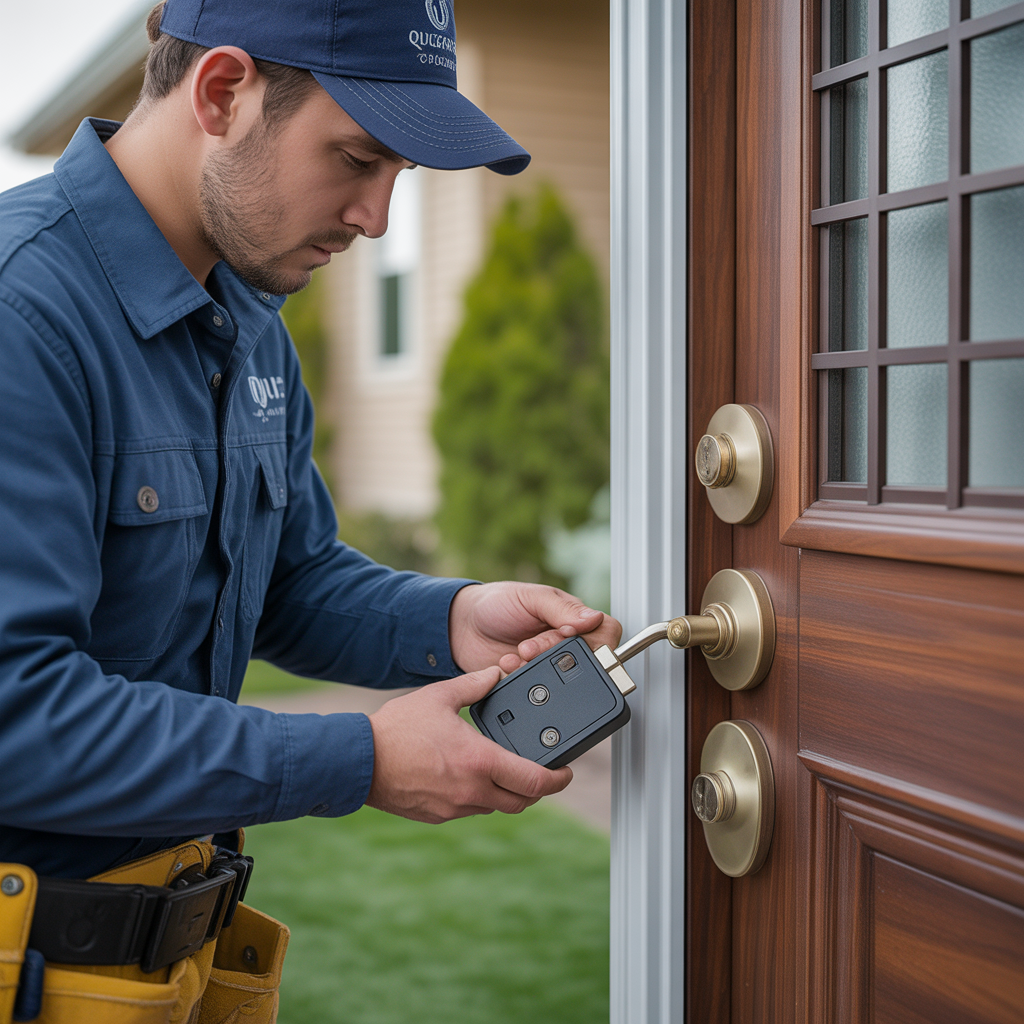
If you are unable to access your home through other methods, contacting a professional locksmith in Denver is often the safest solution. Locksmiths specialize in resolving house lockout situations and can typically unlock doors without causing damage to the lock or door frame.
When you contact a locksmith for a house lockout Denver service, the process usually includes:
- Confirming your identity and property access
- Inspecting the lock type and door condition
- Using professional tools to unlock the door
- Ensuring the lock still operates properly afterward
Experienced locksmiths handle lockout situations regularly and are trained to resolve them quickly and safely. This allows homeowners to regain entry to their property without risking damage or compromising the lock system.
Why Rekeying Is Recommended After Losing Keys in Denver
Even if you eventually regain access to your home, security experts often recommend rekeying the locks after losing keys. This step ensures that the lost keys cannot be used to access your home in the future.
Rekeying works by changing the internal pins of the lock cylinder so that the old keys will no longer work. The lock hardware remains the same, but it now operates with a completely new key.
In Denver neighborhoods such as Aurora, Lakewood, Parker, and Westminster, keys are often lost in public places like parking lots, shopping centers, or public transportation areas. If someone happens to find the keys, they may attempt to determine where they belong.
Rekeying the locks removes this risk and ensures that only the new keys provided to you can open the door.
Step 5: Consider Lock Replacement if Keys Are Stolen
While many lost key situations are accidental, there are cases where keys may be stolen along with other personal belongings. If your keys were taken from a bag, car, or wallet that also contained identification, it may be possible for someone to connect the keys to your home address.
In such situations, replacing the locks may be the safest option. Lock replacement ensures that even if someone still has the original keys, they will no longer work with the new hardware. Homeowners often choose lock replacement when:
- Keys were stolen during a theft or burglary
- Personal information was attached to the keychain
- There is concern that someone knows which home the keys belong to
Replacing locks can restore peace of mind and remove any uncertainty about home security.
Step 6: Upgrade to Smart Locks
For some homeowners, losing keys becomes the reason to upgrade to a more modern security system. Smart locks offer keyless entry options that eliminate the need to carry traditional keys. These systems allow homeowners to unlock doors using:
- Smartphone apps
- Digital keypad codes
- Biometric fingerprint scanners
Additional smart lock features may include:
- Remote locking and unlocking
- Temporary guest access codes
- Entry activity tracking
Upgrading to a smart lock system can improve both convenience and security while reducing the chances of future lockouts.
Step 7: Create a Spare Key Plan
Once the immediate situation has been resolved, it is helpful to create a reliable plan that prevents future lockouts. A spare key plan ensures that you always have a backup access option if keys are misplaced again. Safe spare key solutions include:
- Leaving a spare key with a trusted neighbor
- Giving one to a family member
- Installing a secure key lockbox
- Using a smart lock system with digital codes
Planning can save time and reduce stress during unexpected situations.
Preventing Future Lockouts in Denver Homes
Although losing keys can happen to anyone, there are a few simple habits that can reduce the chances of future lockouts. Homeowners may consider:
- Using a key holder near the entrance door
- Attaching a Bluetooth key tracker to keychains
- Checking pockets and bags before leaving places
- Keeping spare keys stored safely
Developing these habits helps make daily routines smoother while improving home security.
FAQ – Lost Keys & House Lockout Denver
What should I do if I lose my house keys?
Start by retracing your steps and checking common places where the keys may have been left. If they cannot be found, contacting a locksmith can help restore access.
Can locksmiths unlock my door without damage?
Yes. Professional locksmiths use specialized tools to unlock most residential doors without damaging the lock or door frame.
Should I rekey my locks after losing keys?
Rekeying is recommended because it ensures that the lost keys can no longer open the lock.
How long does a house lockout service take?
Most locksmiths can resolve residential lockouts quickly once they arrive at the location.
Is replacing locks necessary after losing keys?
Replacing locks may be recommended if the keys were stolen or if there is concern that someone knows where the keys belong.
Do smart locks prevent lockouts?
Smart locks can reduce lockout situations because they allow access through keypads or smartphone apps instead of physical keys.
Conclusion
Losing house keys can be frustrating, but taking calm and practical steps can quickly resolve the situation. By retracing your steps, avoiding risky entry methods, and seeking professional assistance when needed, you can regain access to your home safely.
After restoring access, updating your locks through rekeying or replacement ensures that the lost keys cannot be used by anyone else. Taking quick action helps protect your property and ensures that your Denver home remains secure even after a lost key situation.