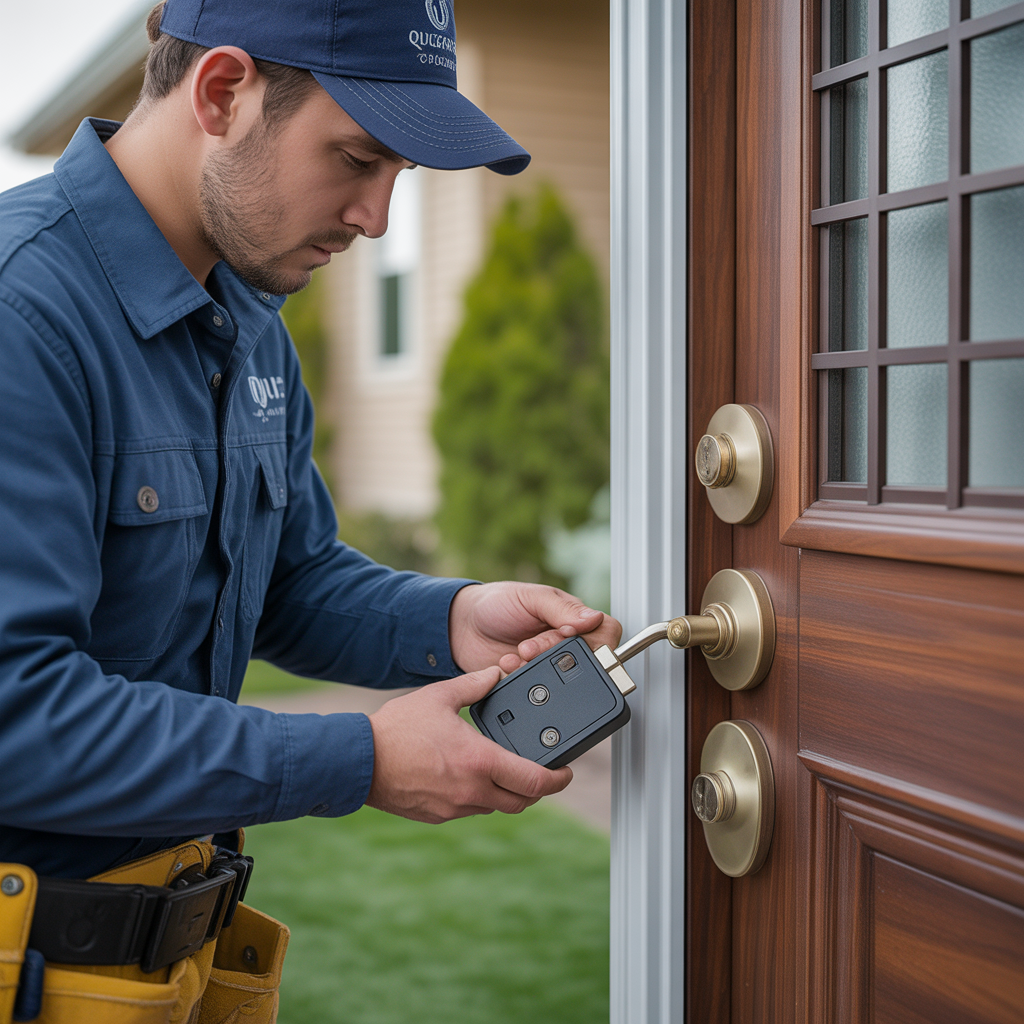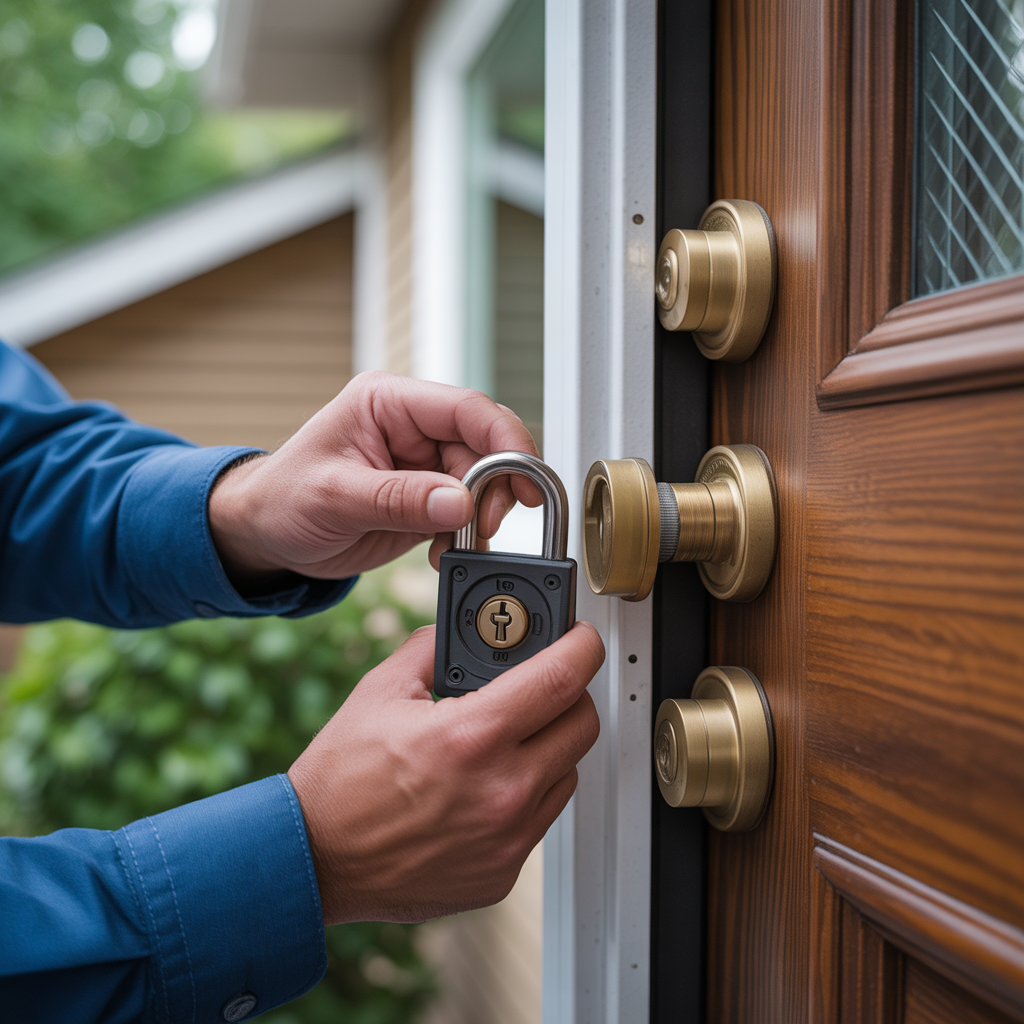
Capitol Hill is one of Denver’s most historic and vibrant neighborhoods. Known for its classic architecture, tree-lined streets, and older apartment buildings, the area includes many properties that were built decades ago. While these buildings offer unique character and charm, they often come with aging infrastructure—including older lock systems.
Many homes and apartments in Capitol Hill still use locks that were installed many years ago. Over time, lock hardware can wear down due to regular use, environmental conditions, and aging materials. This can lead to issues such as keys sticking, worn-out cylinders, or locks that no longer provide the same level of security.
Residents frequently search for a Capitol Hill locksmith when they experience problems with older locks. These issues can affect both convenience and safety, especially if a lock begins to fail or no longer functions reliably.
Understanding why older locks cause problems and knowing when to repair or replace them can help Capitol Hill residents maintain better security in their homes.
Quick Answer – Why Older Locks Cause Problems
Older locks often develop problems because their internal components gradually wear down over time. Common causes include:
- Aging mechanical parts that no longer move smoothly
- Worn keys that no longer align correctly with the lock pins
- Outdated lock technology that lacks modern security features
- Environmental exposure, such as dust, moisture, and temperature changes
These issues can cause locks to become difficult to turn, jam frequently, or fail to secure the door properly. When problems appear, a professional providing old lock repair Denver services can inspect the lock and determine whether repair, rekeying, or replacement is the best solution.
Why Older Buildings on Capitol Hill Have Lock Issues?
Capitol Hill’s historic buildings contribute to the neighborhood’s unique identity. However, many of these properties still contain original hardware or older lock systems that have been used for decades. Several factors contribute to lock problems in these buildings.
Historic Buildings
Many Capitol Hill buildings were constructed long before modern lock technology became common. Some apartments and homes still use traditional mechanical locks that have not been upgraded.
While these locks were effective when installed, they may not provide the same level of reliability or security as modern systems.
Aging Hardware
Locks contain small internal components such as springs, pins, and cylinders that move every time the key is used.
Over many years of use, these components gradually wear down. As the hardware ages, the lock may become harder to operate or may stop working altogether. Regular maintenance and repair can sometimes extend the lifespan of older lock systems.
Worn Keys
Keys also wear down over time, especially when used frequently. A worn key may no longer match the internal pins of the lock perfectly. This can cause the key to stick, require extra force to turn, or fail to unlock the door completely. Replacing worn keys or rekeying the lock can often resolve these issues.
Most Common Lock Problems in Capitol Hill Homes
Older buildings on Capitol Hill often experience specific lock problems due to the age and design of the hardware. Understanding these issues can help residents recognize when it is time to seek professional assistance.
Worn Deadbolts
Deadbolts are one of the most important security components of a door. In older buildings, deadbolts may become worn after many years of use. The internal mechanism may no longer align properly with the door frame, making the lock difficult to turn.
In some cases, the deadbolt may fail to extend fully into the strike plate, reducing the effectiveness of the lock. A locksmith can inspect the deadbolt and determine whether it can be repaired or should be replaced.
Keys Sticking in Locks
Keys that stick inside locks are a common issue in older properties. This problem often occurs when dirt, dust, or debris accumulates inside the lock cylinder. It can also happen when the key or internal pins become worn.
Residents may notice that the key requires extra force to turn or becomes difficult to remove. A professional locksmith in Denver can clean the lock mechanism, adjust the internal components, or recommend replacement if the lock is severely worn.
Broken Lock Cylinders
The lock cylinder is the part of the lock that the key enters. In older locks, the cylinder may eventually crack or break due to long-term use. A damaged cylinder may prevent the key from turning or may cause the lock to jam unexpectedly. Replacing the cylinder is often a faster and more affordable solution than replacing the entire lock.
Outdated Security Systems
Many older buildings still rely on traditional lock systems that lack modern security features. These locks may not provide the same level of protection as newer designs, especially against techniques such as lock picking or forced entry. Upgrading outdated locks can improve both convenience and overall home security.
Repair vs Replace – What Capitol Hill Residents Should Do
When a lock begins to show signs of wear, homeowners and tenants often wonder whether repair or replacement is the better option.
In many cases, rekeying or repairing the lock may be sufficient if the internal components are still functional.
Rekeying allows the locksmith to change the internal pins so that the lock works with a new key while keeping the existing hardware. However, replacement may be the better option if:
- The lock is severely worn
- The cylinder is damaged
- The lock lacks modern security features
- The homeowner wants to upgrade to a smart or keyless system
A locksmith can inspect the lock and recommend the most practical solution.
Benefits of Upgrading Locks in Older Buildings
Upgrading locks in older properties can significantly improve both security and convenience. Modern locks offer several advantages compared to traditional hardware.
Improved Security
Modern lock designs include advanced security features that make them more resistant to picking, drilling, and forced entry. Replacing outdated locks helps ensure that homes remain properly protected.
Smart Lock Compatibility
Many residents are upgrading to smart lock systems that allow keyless entry through smartphones or keypad codes.
Smart locks provide features such as remote access, activity tracking, and temporary entry codes for guests. These features can make daily life more convenient while improving security.
Keyless Entry Options
Keyless entry systems eliminate the need for traditional keys. Residents can unlock doors using passcodes, mobile apps, or access cards. This reduces the risk of lost keys and can simplify access management in shared buildings.
Professional Lock Repair Services in Capitol Hill
Professional locksmiths serving the Capitol Hill area provide services specifically designed to address issues in older buildings. A Capitol Hill locksmith can assist with:
- Lock repair and maintenance
- Rekeying existing locks
- Replacing worn lock cylinders
- Installing modern security locks
- Upgrading to smart lock systems
Experienced locksmiths understand the challenges associated with historic buildings and can recommend solutions that preserve the property while improving security.
FAQ – Capitol Hill Locksmith
Can old locks be repaired?
Yes. Many older locks can be repaired by cleaning, adjusting, or replacing internal components.
Is rekeying possible for vintage locks?
In many cases, vintage locks can be rekeyed if the internal mechanism is still functional.
Should old locks be replaced?
Replacement may be recommended if the lock is severely worn, damaged, or lacks modern security features.
Final Thoughts
Capitol Hill’s historic buildings give the neighborhood its unique character, but older properties often experience lock problems due to aging hardware and worn components. Recognizing common lock issues and addressing them early can help residents maintain both convenience and security.
Whether through repair, rekeying, or upgrading to modern locks, working with a professional Capitol Hill locksmith ensures that older lock systems continue to function reliably while protecting the property.