Moving into a new home is an exciting milestone. Whether purchasing a house for the first time or relocating to a new neighborhood, homeowners often focus on unpacking, decorating, and settling into their new environment. However, one important step is often overlooked during the moving process: updating the home’s locks.
When people move into a previously owned property, it is impossible to know how many copies of the existing keys are still in circulation. Previous homeowners, real estate agents, contractors, neighbors, cleaners, and maintenance workers may still have keys that can open the doors.
Even if the previous owners hand over their keys, there is no guarantee that duplicates were not made. Because of this uncertainty, security professionals strongly recommend rekeying locks immediately after moving into a new home. Rekeying ensures that only the new homeowner has access to the property. It prevents old keys from working and restores full control over who can enter the house.
For homeowners in Denver and surrounding communities, rekeying is one of the simplest and most affordable ways to improve home security after moving. Understanding how many locks should be rekeyed and which doors should be prioritized helps homeowners ensure their new home is secure from the start.
Locks to Rekey After Moving
Most homes should have all exterior door locks rekeyed after moving. This typically includes:
- Front door locks
- Back door locks
- Garage entry door locks
- Side door locks
- Basement entry locks
These doors represent the primary entry points to the home. Rekeying them ensures that any previous keys cannot be used to enter the property.
Interior locks may not need to be rekeyed unless they protect restricted areas such as offices, storage rooms, or rental spaces.
Why Rekeying Is Important for Denver Homes
Many homeowners assume that the previous owner returned all keys during the closing process. However, there are several reasons why rekeying is still recommended.
Unknown Key Copies
It is impossible to know how many key copies exist for a home. Over the years, homeowners may provide keys to:
- Family members
- Friends or neighbors
- Dog walkers or house sitters
- Contractors and repair technicians
- Cleaning services
Even if those individuals returned the keys, duplicate copies may still exist. Rekeying eliminates this uncertainty by making all old keys useless.
Real Estate Showings
Before a home is sold, it is often shown to multiple potential buyers. During this process, many people may access the home through lockboxes or temporary keys. Although real estate agents maintain professional standards, rekeying after the purchase ensures the new homeowner controls all access.
Contractor and Renovation Access
If the home was recently renovated or repaired before being sold, contractors may have had temporary access to the property. Workers may have used spare keys during construction or maintenance. Rekeying ensures that these temporary access keys can no longer be used.
Peace of Mind
Perhaps the most important reason to rekey locks after moving is peace of mind. Knowing that only the homeowner has working keys allows families to feel comfortable and secure in their new environment. Rekeying removes uncertainty and restores full control over property access.
Locks That Should Always Be Rekeyed
When rekeying a home after moving, locksmiths typically prioritize all exterior entry points. These are the doors that provide direct access from outside the home.
Front Door Locks
The front door is the most obvious entry point and the most frequently used door in most homes. Because this door provides the primary access to the house, it should always be rekeyed first. Many front doors have two locks:
- A handle lock
- A deadbolt lock
Both locks should be rekeyed so they operate with the new key. Upgrading the front door lock to a high-security deadbolt is also a good opportunity to improve protection.
Back Door Locks
Back doors often receive less attention than front doors, but they are just as important for home security. Some homes have sliding doors or patio doors in the rear, which may also include lock systems. Rekeying the back door ensures that previous keys cannot be used to enter the home from less visible areas.
Garage Entry Door Locks
Many homes include an interior door connecting the garage to the house. This door is often overlooked when rekeying locks, but it is a critical security point.
If someone gains access to the garage, they may still be able to enter the house through this interior door. Rekeying the garage entry door helps prevent this risk.
Side Doors and Secondary Entry Points
Some homes have additional exterior doors, such as:
- Side entry doors
- Basement access doors
- Utility room doors
These doors should also be rekeyed to ensure complete security. Even if these doors are rarely used, they still represent potential entry points.
When Lock Replacement Is Better Than Rekeying
While rekeying works well in many situations, sometimes replacing the locks entirely may be the better option.
Worn or Damaged Locks
If the existing locks are old, worn, or difficult to operate, replacing them may be a better long-term solution. New lock hardware provides improved durability and smoother operation.
Upgrading to High-Security Locks
Some homeowners choose to upgrade their locks after moving to improve security. High-security locks offer features such as:
- Pick-resistant cylinders
- Drill-resistant materials
- Restricted key duplication
These locks provide stronger protection than standard hardware.
Installing Smart Locks
Many homeowners take the opportunity to upgrade to smart lock systems when moving into a new home. Smart locks allow users to unlock doors using:
- Keypads
- Smartphone apps
- Temporary guest codes
These systems provide both security and convenience. Smart locks also eliminate the need for physical keys.
How Locksmiths Rekey Locks
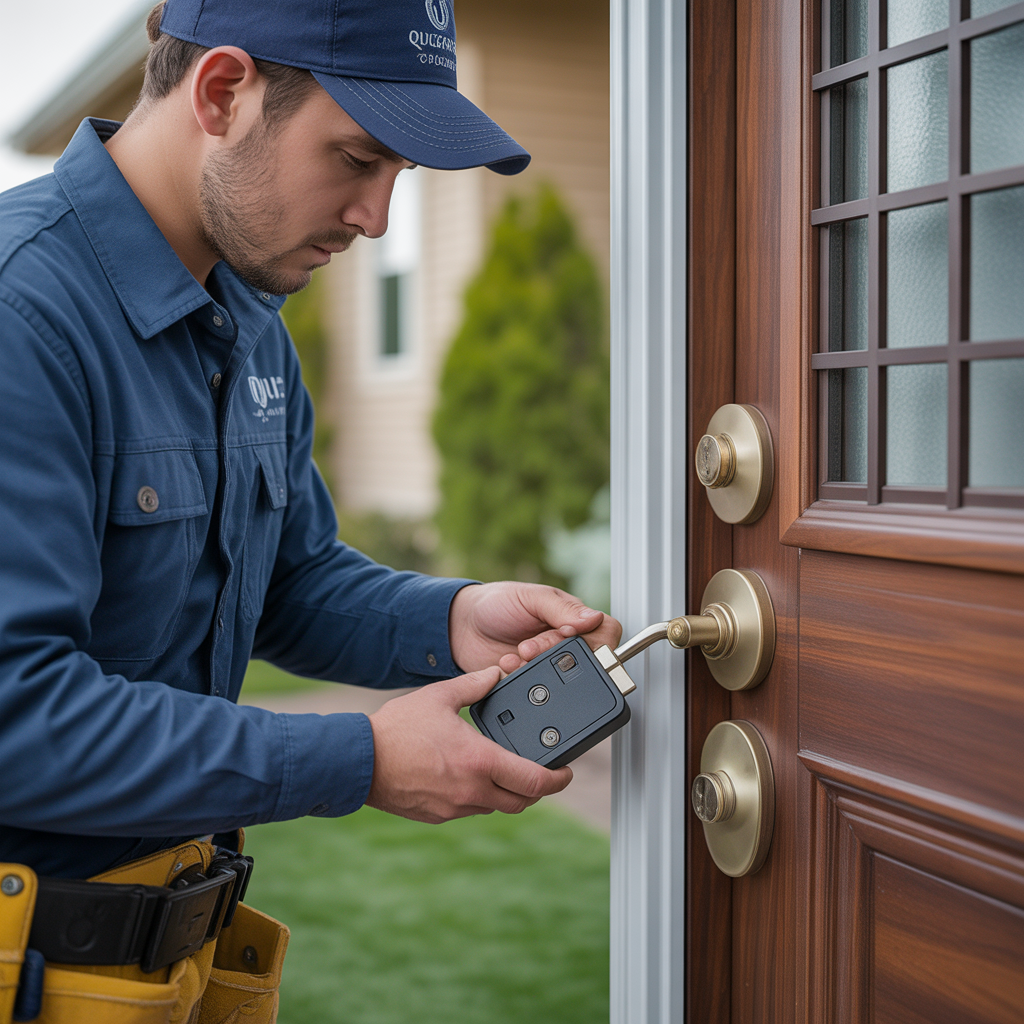
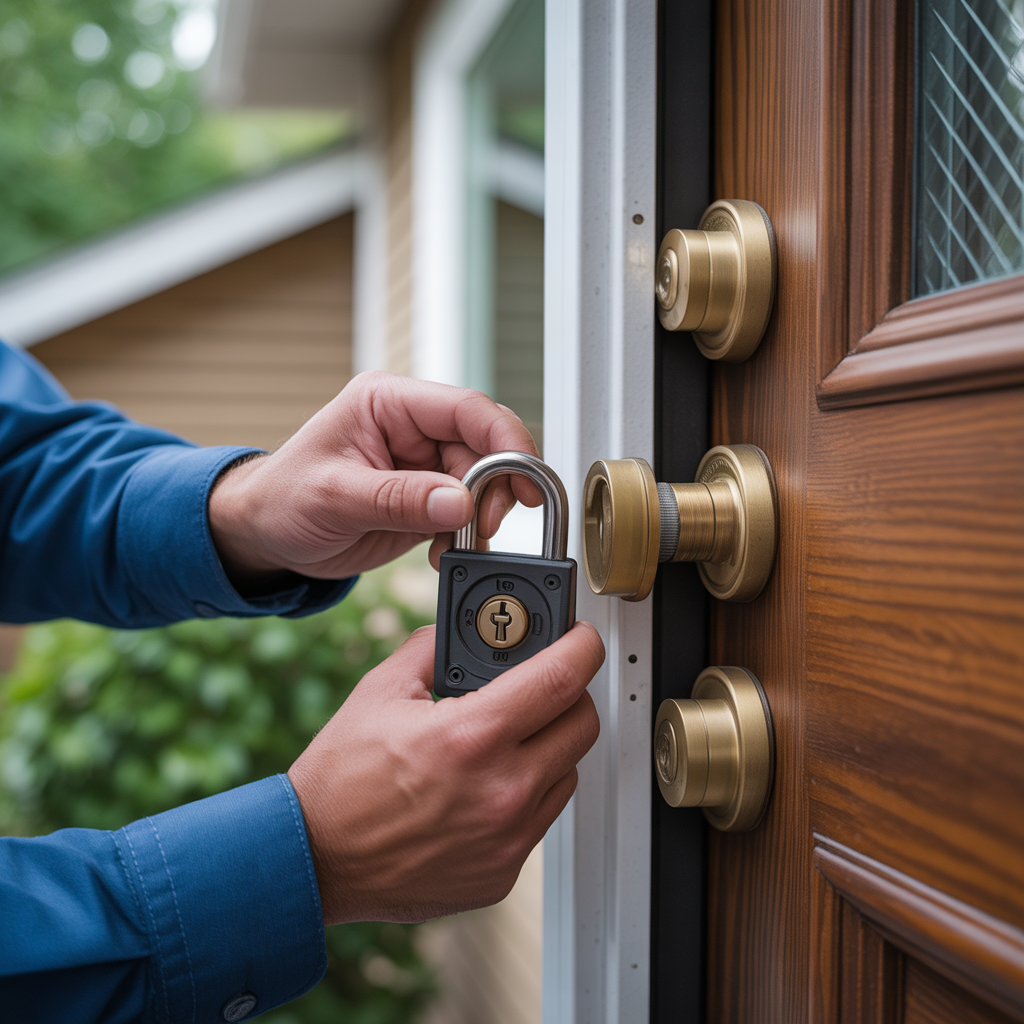
The rekeying process involves adjusting the internal pins inside the lock cylinder. These pins correspond to the shape of the key.
When a locksmith rekeys a lock, they remove the existing pins and replace them with new ones that match a different key pattern. Once the new pins are installed, the lock will only work with the new key.
Old keys will no longer operate the lock. This process allows homeowners to maintain their existing lock hardware while restoring security.
Benefits of Rekeying Your Home After Moving
Rekeying provides several advantages for homeowners.
Cost-Effective Security
Rekeying is usually less expensive than replacing locks. Because the lock hardware remains in place, the locksmith only changes the internal components.
Quick Service
Rekeying is a relatively quick process. Many homes can be fully rekeyed during a single service visit.
Key Simplification
Locksmiths can configure multiple locks to operate with a single key. This eliminates the need to carry multiple keys for different doors.
Improved Security
Most importantly, rekeying restores control over who has access to the home. It ensures that previous keys cannot be used to enter the property.
FAQ – Rekey After Moving Denver
Should all locks be rekeyed after moving?
Yes. It is recommended to rekey all exterior door locks to ensure only the new homeowner has access.
How many locks do homes typically have?
Most homes have three to five exterior door locks, depending on the number of entry points.
How long does rekeying take?
Rekeying a single lock usually takes about 10–20 minutes.
Is rekeying cheaper than replacing locks?
Yes. Rekeying is typically more affordable because it uses the existing lock hardware.
Can locksmiths rekey smart locks?
Some smart locks with traditional cylinders can be rekeyed, while others require different adjustments.
How much does rekeying cost?
Costs vary depending on the number of locks and the type of hardware.
Conclusions
Moving into a new home is the perfect time to update your security. Rekeying all exterior door locks ensures that previous keys cannot be used to access your property. It is a simple and affordable step that provides immediate peace of mind.
For homeowners in Denver, rekeying is one of the most practical ways to protect a newly purchased home. By working with a professional locksmith, homeowners can ensure that their locks are properly rekeyed and that their home remains safe from unauthorized access.
Taking this step early allows families to enjoy their new home, knowing their security is fully under their control. You do not have enough Humanizer words left. Upgrade your Surfer plan.