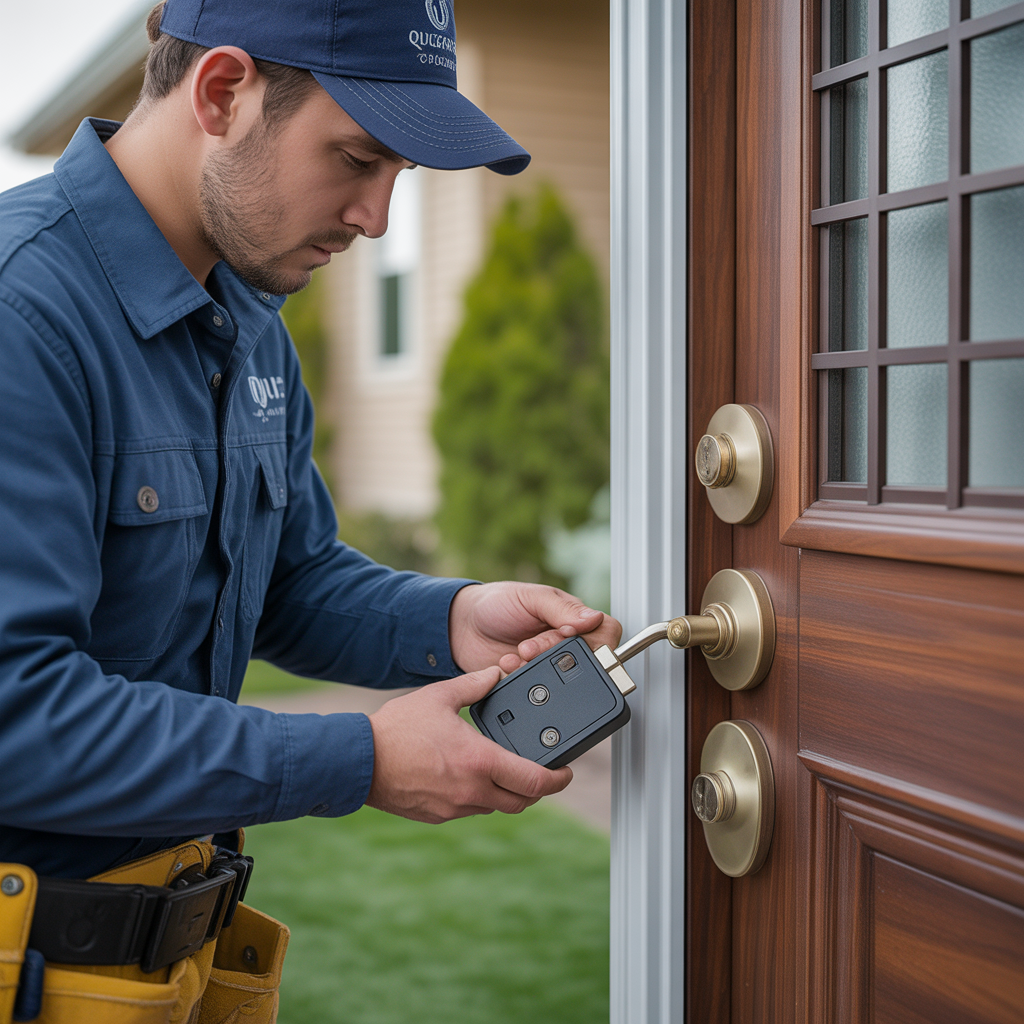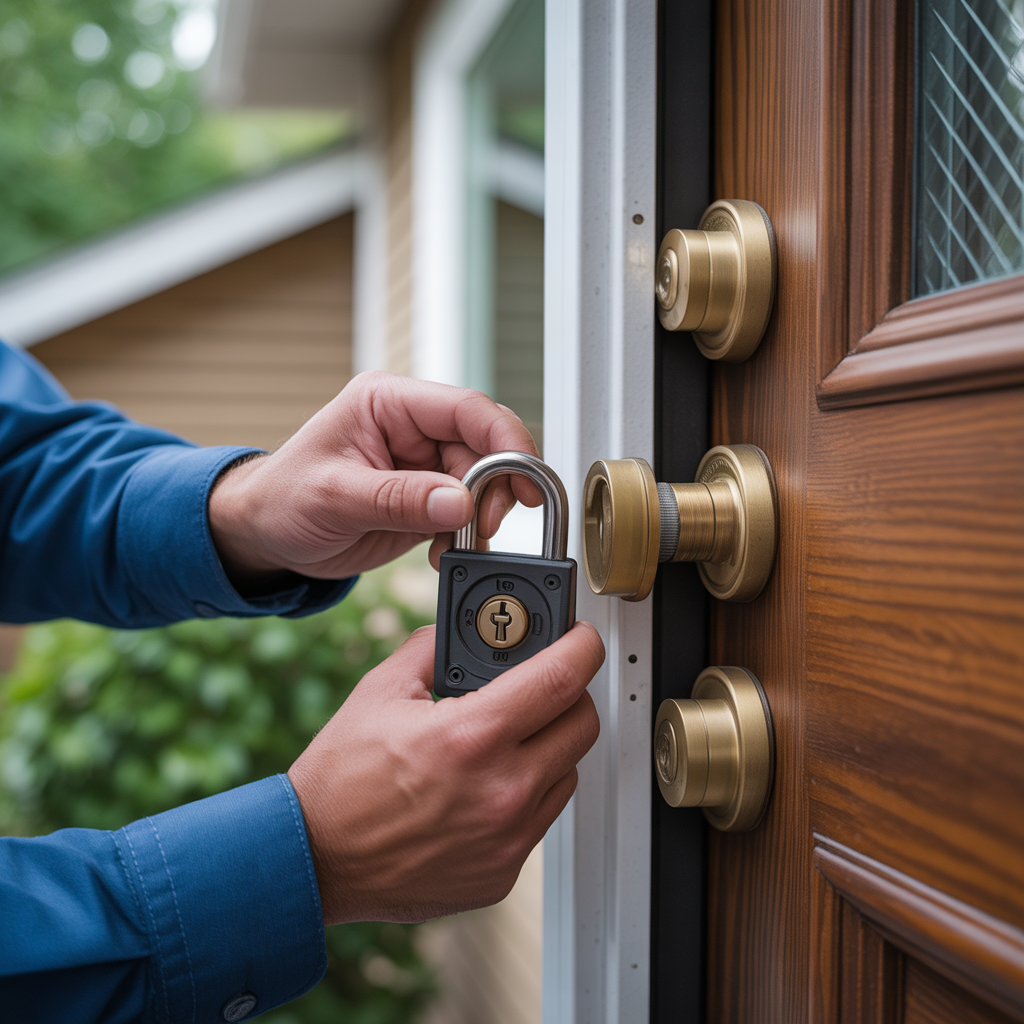
Many homeowners eventually need to change their locks for security reasons. However, replacing locks entirely is not always necessary. In many cases, lock rekeying is a faster and more affordable way to restore control over who can access a property.
Rekeying is one of the most common locksmith services requested by homeowners, landlords, and property managers. It allows the existing lock hardware to remain in place while ensuring that old keys no longer work.
People often request rekeying services in situations such as:
- Moving into a new home
- Losing house keys
- Tenant turnover in rental properties
- Security concerns after a break-in attempt
- Simplifying multiple keys into a single key
One of the most frequent questions homeowners ask locksmiths is:
“How long does rekeying take?”
The answer depends on several factors, including the number of locks involved, the type of locks, and the overall condition of the hardware.
In most cases, rekeying is a quick process that can be completed during a single service visit. Understanding how long the process takes helps homeowners plan accordingly and restore security without unnecessary delays.
Quick Answer – Rekeying Time Explained
In general, rekeying a single standard door lock typically takes about 10–20 minutes for a professional locksmith. Rekeying multiple locks in a home can take 30 minutes to one hour or more, depending on how many locks are involved.
For a whole-house rekeying service, the process usually takes around 1–2 hours. The exact time may vary based on:
- The number of locks
- The type of lock hardware
- Whether locks require repairs or adjustments
- Whether all locks are being keyed to match a single key
Professional locksmiths are trained to complete the process efficiently while ensuring that each lock functions smoothly with the new key.
How Locksmiths Rekey Locks
To understand how long rekeying takes, it helps to understand the process itself. Rekeying involves modifying the internal pin configuration of a lock cylinder so that it operates with a new key instead of the old one. The process usually involves several steps.
Removing the Lock Cylinder
The locksmith begins by removing the lock cylinder from the door. This allows access to the internal components of the lock. Some locks can be rekeyed directly on the door, while others require partial disassembly.
Changing the Internal Pins
Inside the lock cylinder are small pins that correspond to the cuts on the key. The locksmith removes the existing pins and replaces them with a new set that matches the new key. Once the new pins are installed, the old key will no longer operate the lock.
Reassembling the Lock
After replacing the pins, the locksmith reassembles the lock cylinder and reinstalls it in the door. The lock is then tested with the new key to ensure it turns smoothly and locks properly. If multiple locks are being rekeyed, the locksmith may configure them all to work with the same key.
Rekeying One Lock vs Whole House
The number of locks being rekeyed significantly affects how long the service will take.
Rekeying a Single Lock
If only one lock needs to be rekeyed, the process is relatively quick. For a standard residential lock, the job usually takes 10–20 minutes. Single lock rekeying is common when homeowners:
- Lose a single key
- Replace a lock on one door
- Secure a specific entry point
This quick process makes rekeying a convenient solution for minor security concerns.
Rekeying Multiple Locks
Many homes have several entry points, including:
- Front door
- Back door
- Garage entry door
- Side doors
Rekeying several locks may take 30–60 minutes, depending on the number of doors. Locksmiths often configure these locks so they all operate with one master key, which simplifies key management for homeowners.
Whole House Rekeying
When homeowners move into a new property, locksmiths often recommend rekeying all exterior door locks. This process typically takes 1–2 hours, depending on the number of locks involved.
Whole-house rekeying ensures that no previous keys can be used to access the home. For new homeowners, this step provides peace of mind and restores full control over property access.
Factors That Affect Rekeying Time
Several factors influence how long a rekeying service will take. Understanding these factors helps homeowners set realistic expectations.
Number of Locks
The most obvious factor is the number of locks being rekeyed. Each lock requires disassembly, pin replacement, and testing. More locks naturally require more time.
Lock Type
Different locks require different procedures. Standard residential locks are usually straightforward to rekey.
However, high-security locks or specialized lock systems may require additional steps. Some locks use complex pin systems or restricted keyways that require extra precision.
Condition of the Lock
Locks that are worn, damaged, or poorly aligned may take longer to service. If a lock is sticking, jammed, or misaligned, the locksmith may need to adjust or repair the lock before rekeying it. These adjustments ensure the lock operates smoothly after the service.
Master Key Systems
If the homeowner wants multiple locks to operate with a master key system, the locksmith must configure the pin system carefully. This additional planning may slightly increase the service time. However, the result is a convenient key system that allows one key to operate several doors.
Why Rekeying Is Often Better Than Replacing Locks
Many homeowners assume that replacing locks is the only way to restore security after losing keys. In reality, rekeying offers several advantages.
Cost Efficiency
Rekeying is usually less expensive than replacing lock hardware. Because the existing lock remains in place, the locksmith only modifies the internal components. This reduces both labor and material costs.
Faster Service
Rekeying is typically faster than replacing locks. Replacing a lock requires removing the old hardware and installing a new lock system. Rekeying simply modifies the internal pins.
Maintaining Existing Hardware
Some homeowners prefer to keep their existing lock hardware because it matches the door design or overall home aesthetic. Rekeying allows homeowners to maintain the same hardware while improving security.
When Should Locks Be Rekeyed?
Rekeying is recommended in several situations.
After Moving Into a New Home
Previous owners, contractors, and real estate agents may still have keys. Rekeying ensures that only the new homeowner has access.
After Losing Keys
Lost keys can pose a security risk. Rekeying ensures that lost keys cannot be used to enter the property.
After Tenant Turnover
Rental property owners often rekey locks when tenants move out. This prevents former tenants from accessing the property.
When Too Many Keys Exist
Over time, multiple copies of keys may circulate among family members or service providers. Rekeying simplifies access control by resetting the key system.
FAQ – Rekeying Time
How long does a lock take to rekey?
A single residential lock usually takes 10–20 minutes to rekey.
Can locksmiths rekey multiple locks quickly?
Yes. Professional locksmiths can rekey several locks in one service visit.
Is rekeying cheaper than replacing locks?
Yes. Rekeying is typically less expensive because it keeps the existing lock hardware.
Should locks be rekeyed after moving?
Yes. Rekeying ensures that previous keys cannot access the property.
Can smart locks be rekeyed?
Some smart locks with traditional cylinders can be rekeyed, but fully electronic systems may require different adjustments.
How much does rekeying cost?
Costs vary depending on the number of locks and the type of hardware.
Conclusions
Rekeying is one of the quickest and most effective ways to restore home security. In most cases, the process can be completed within a single service visit, making it a convenient solution for homeowners who want immediate protection. Whether rekeying a single door lock or an entire home, professional locksmith services ensure the process is done correctly and efficiently.
For homeowners in Denver and surrounding areas, rekeying provides a reliable way to maintain control over property access while avoiding the expense of full lock replacement. By understanding how the rekeying process works and how long it typically takes, homeowners can make informed decisions about protecting their homes and maintaining their security.